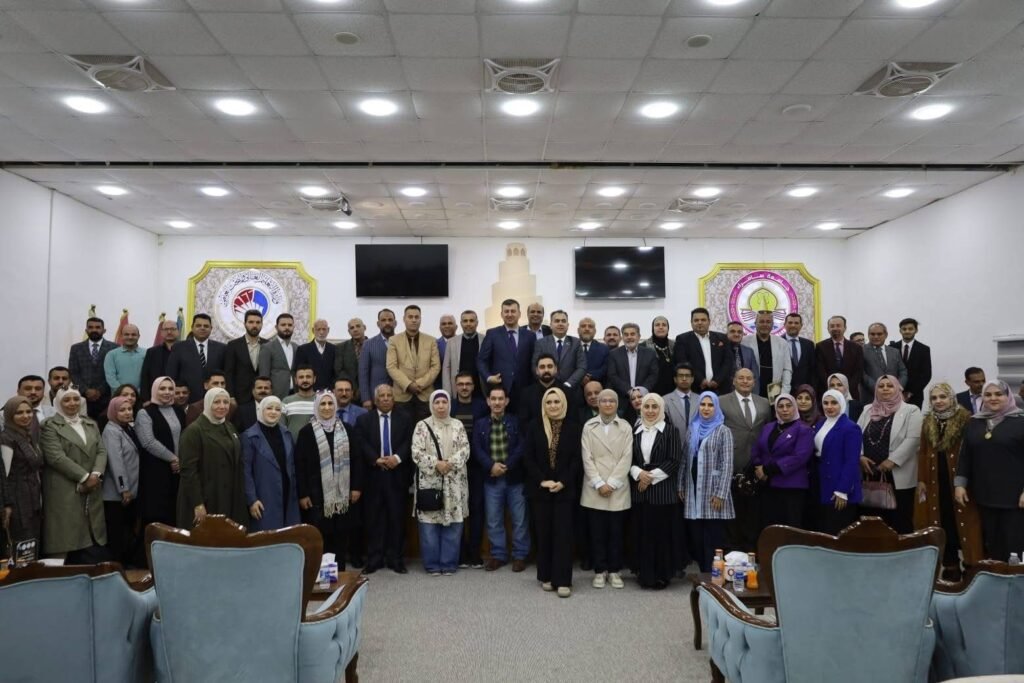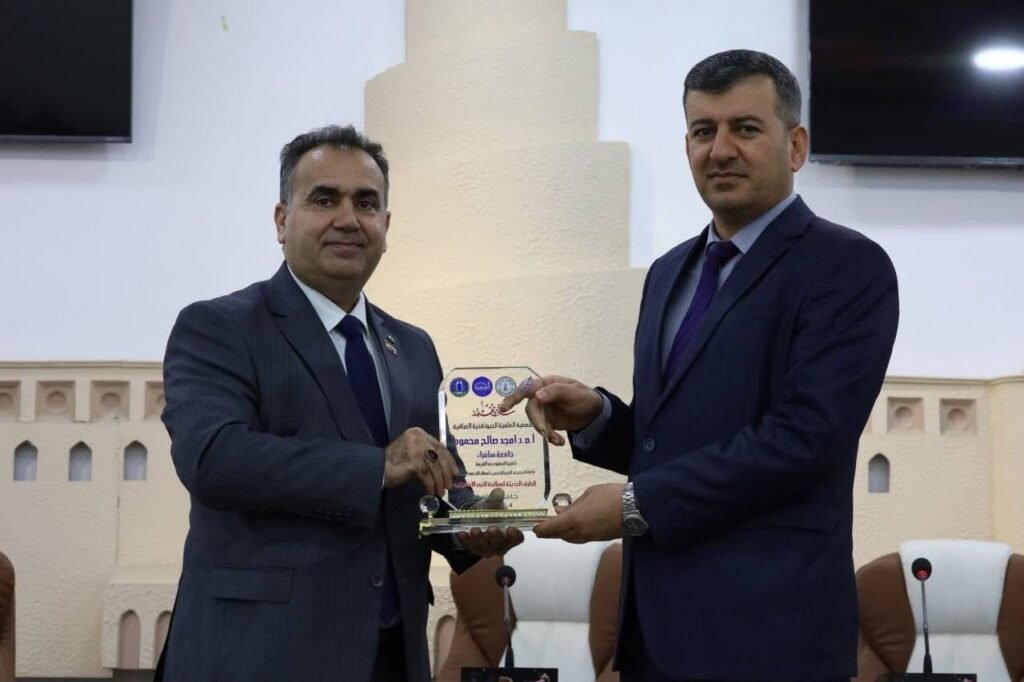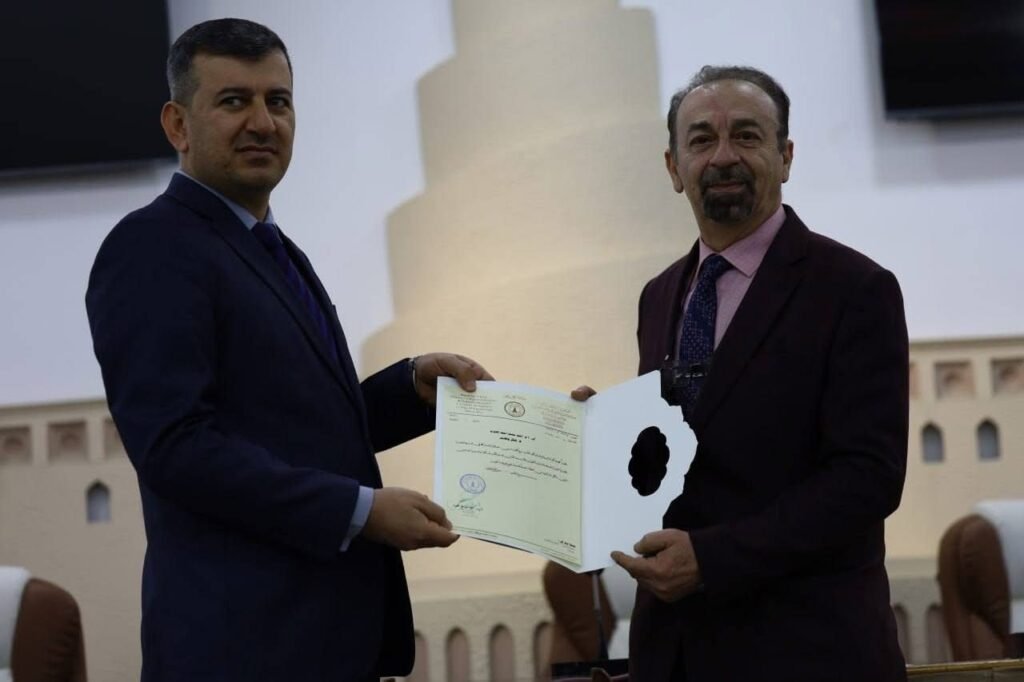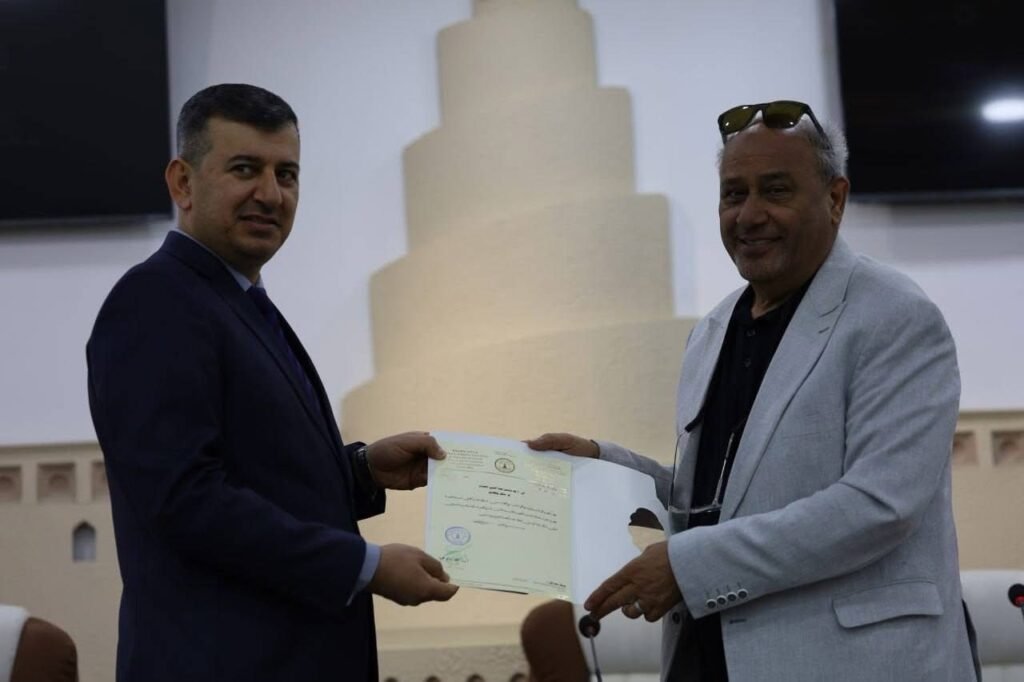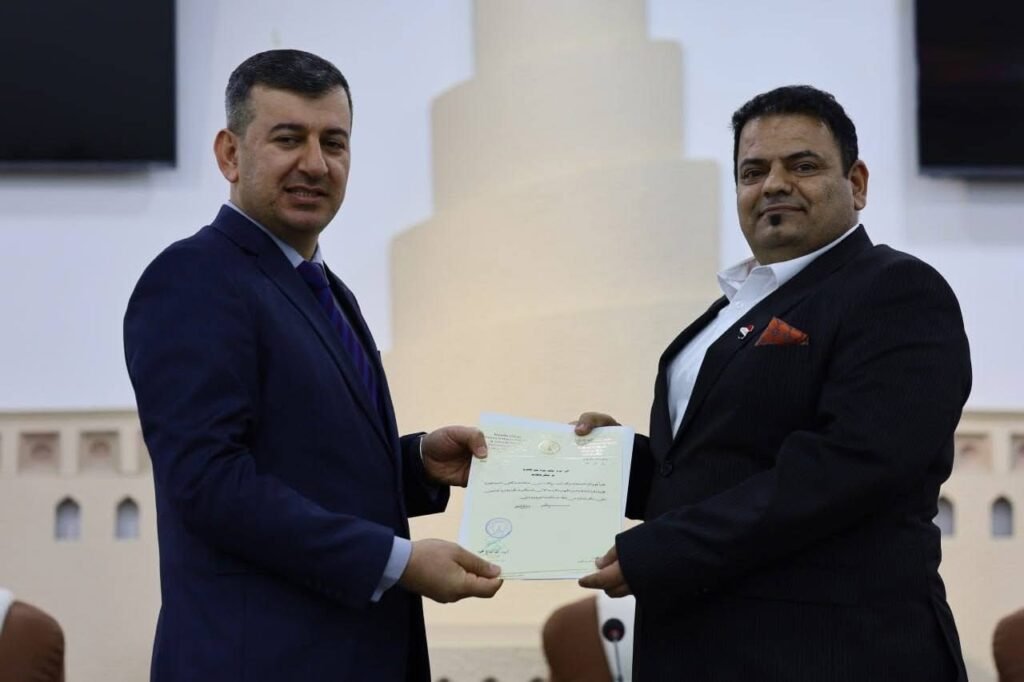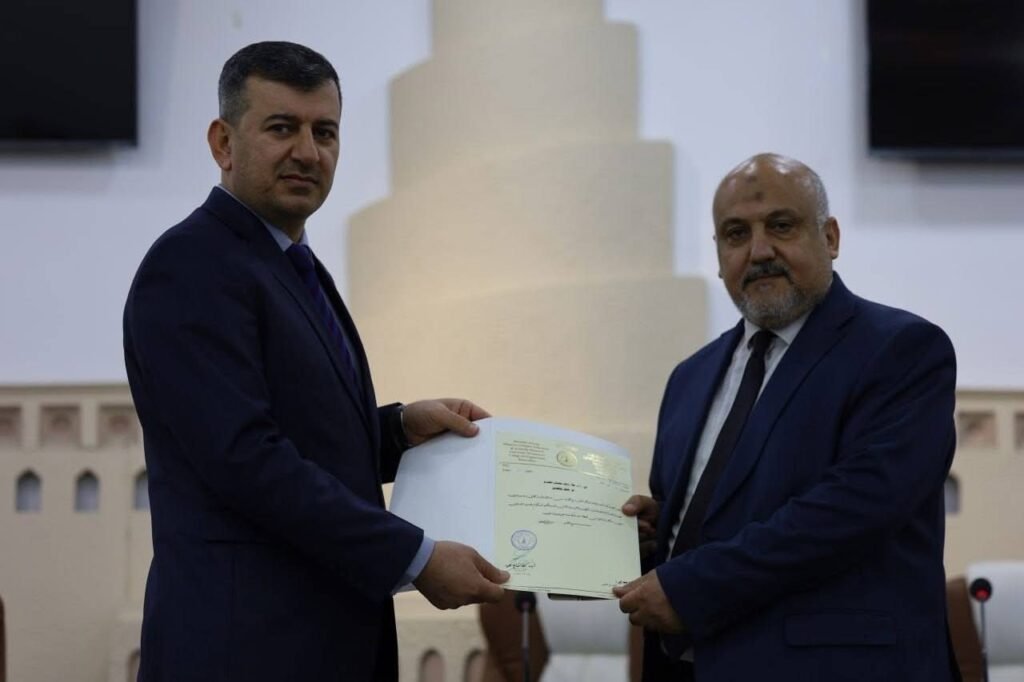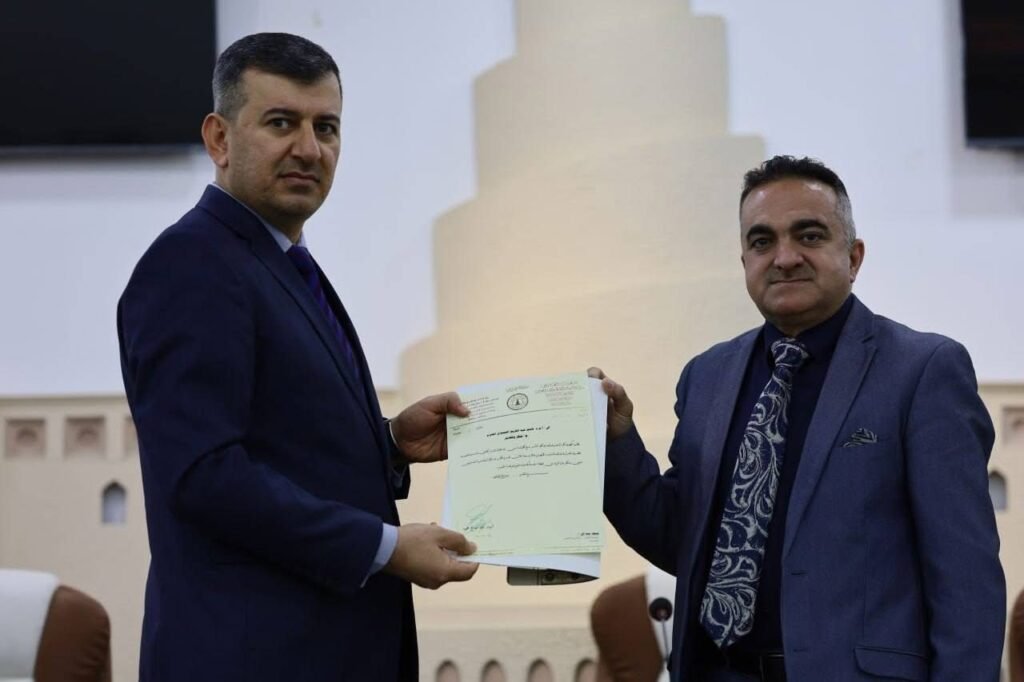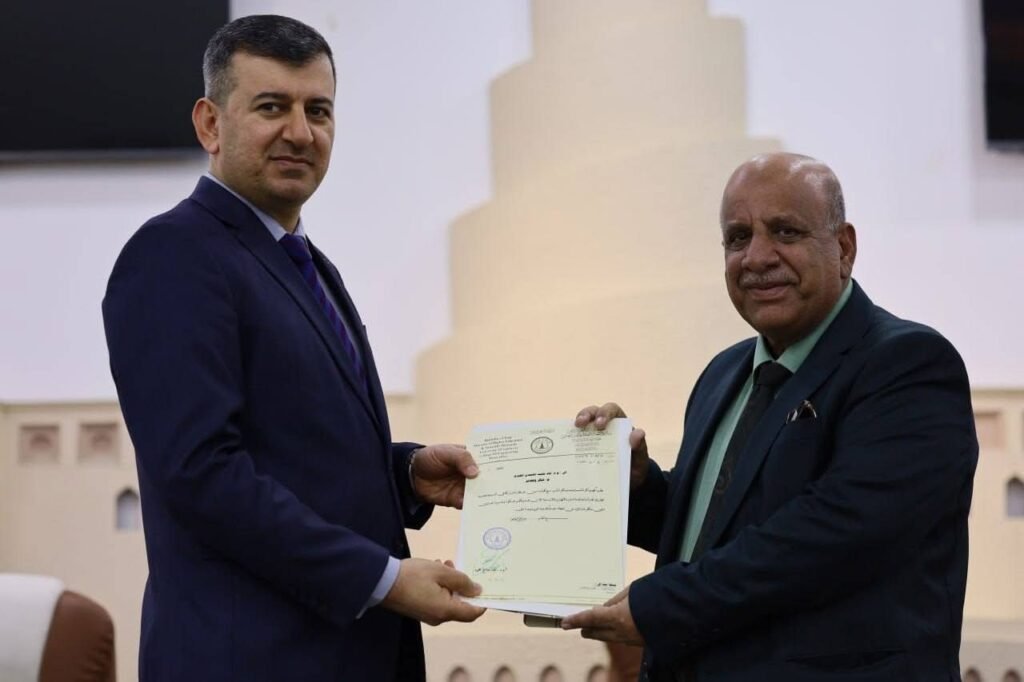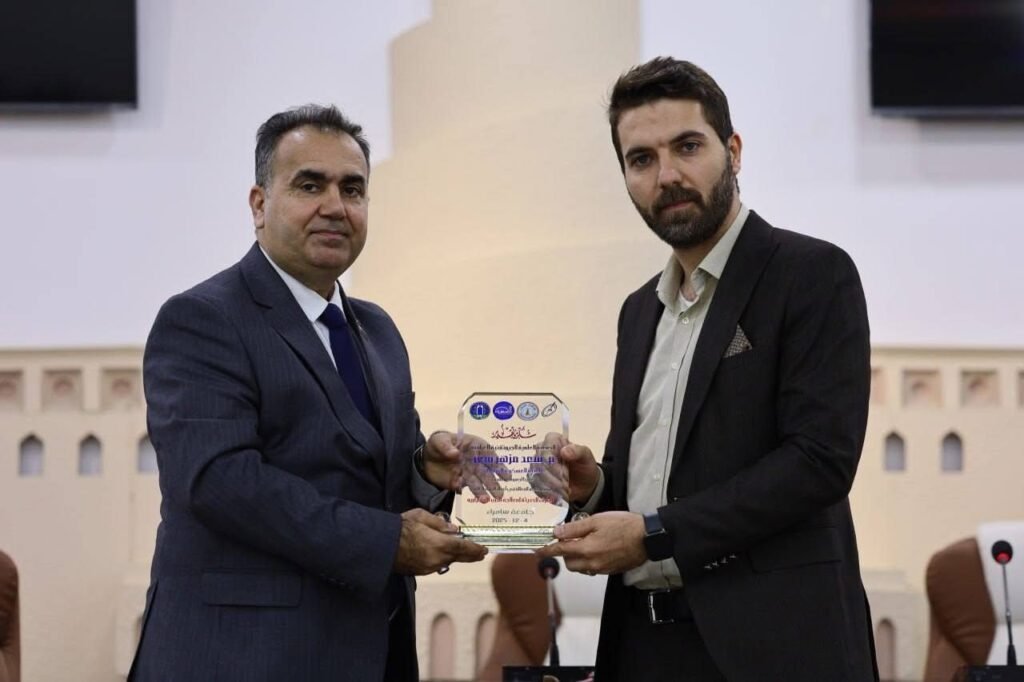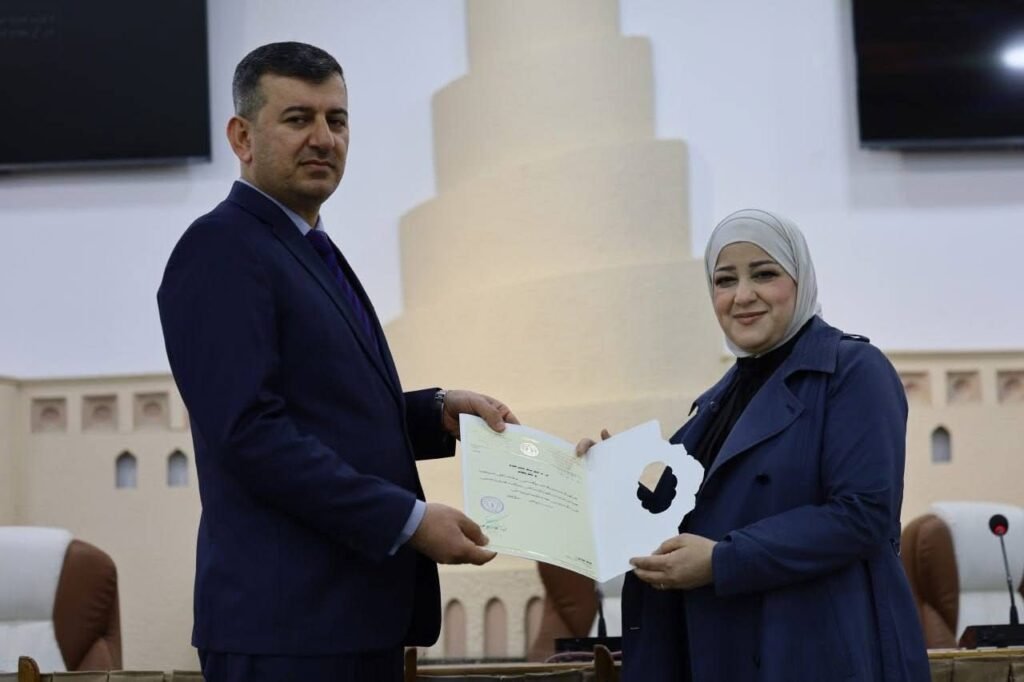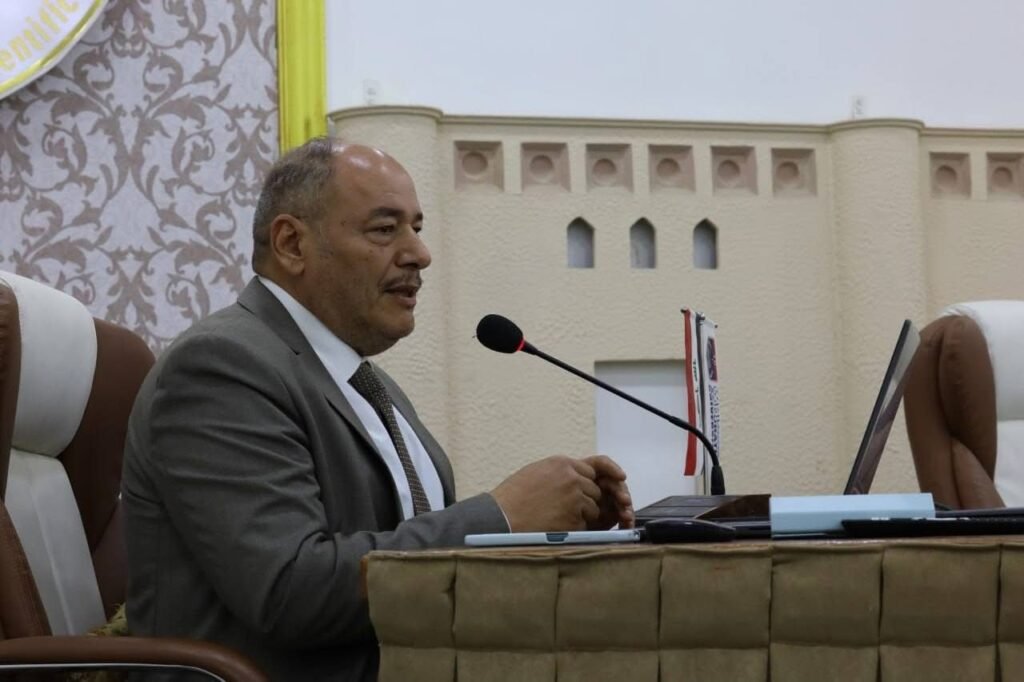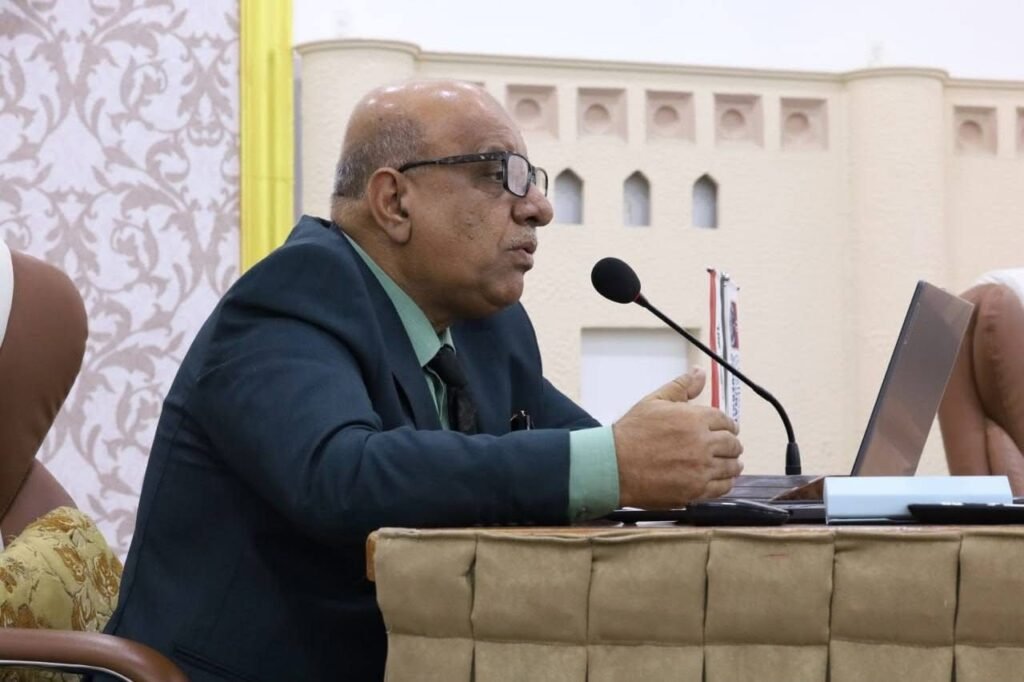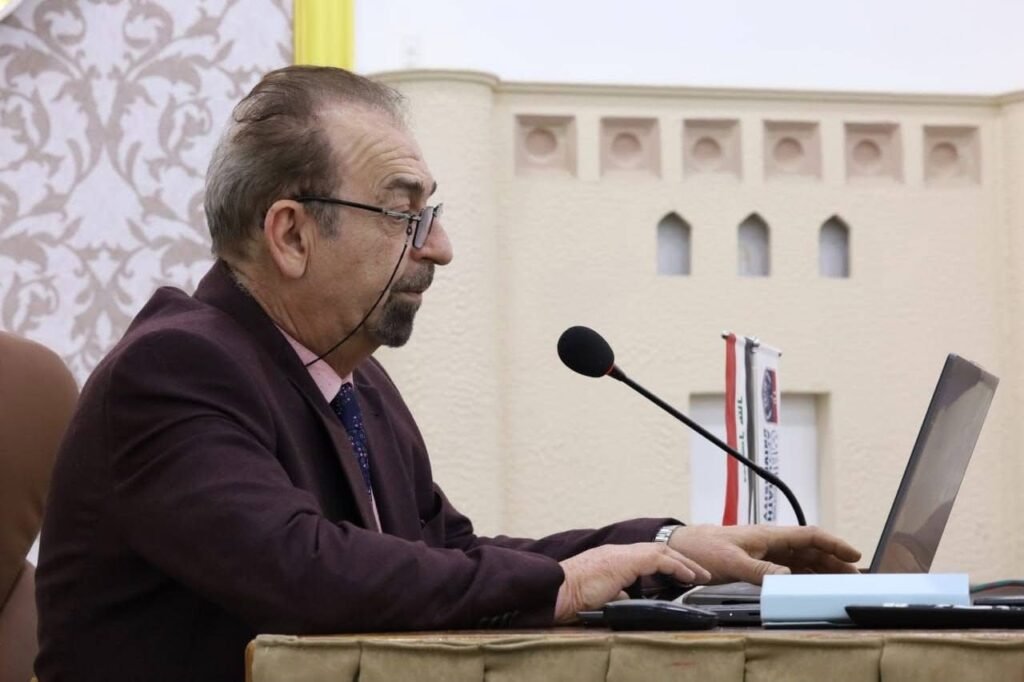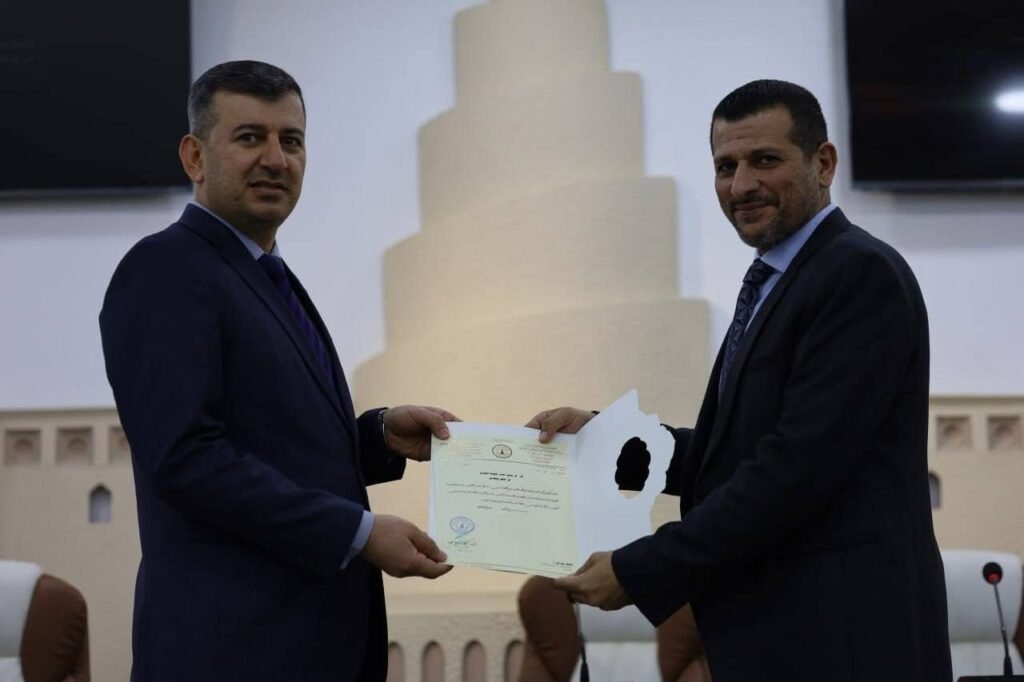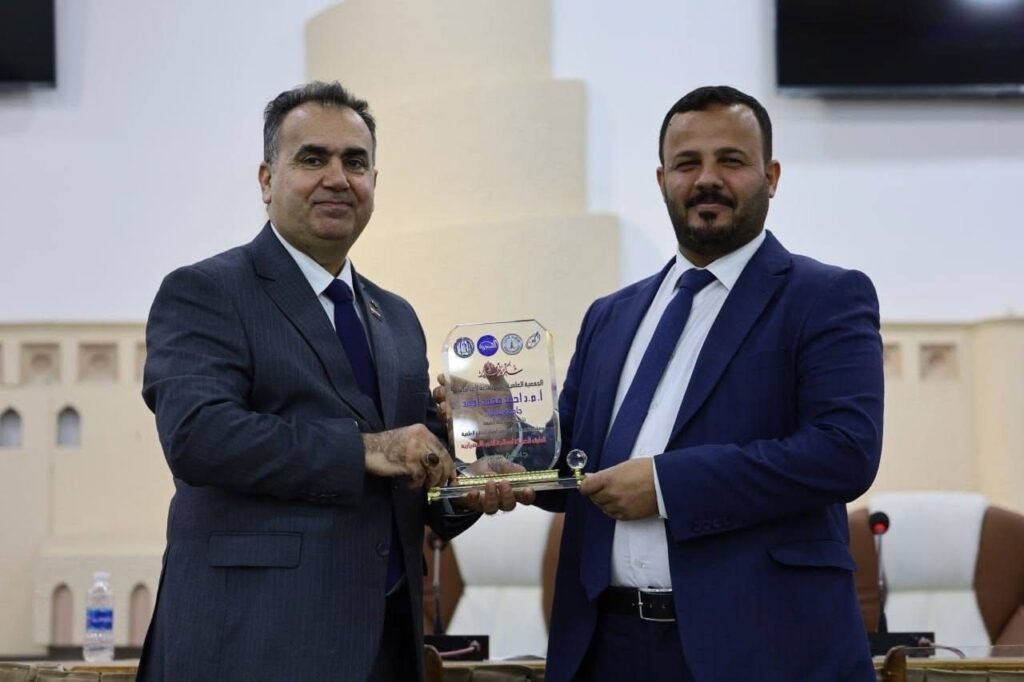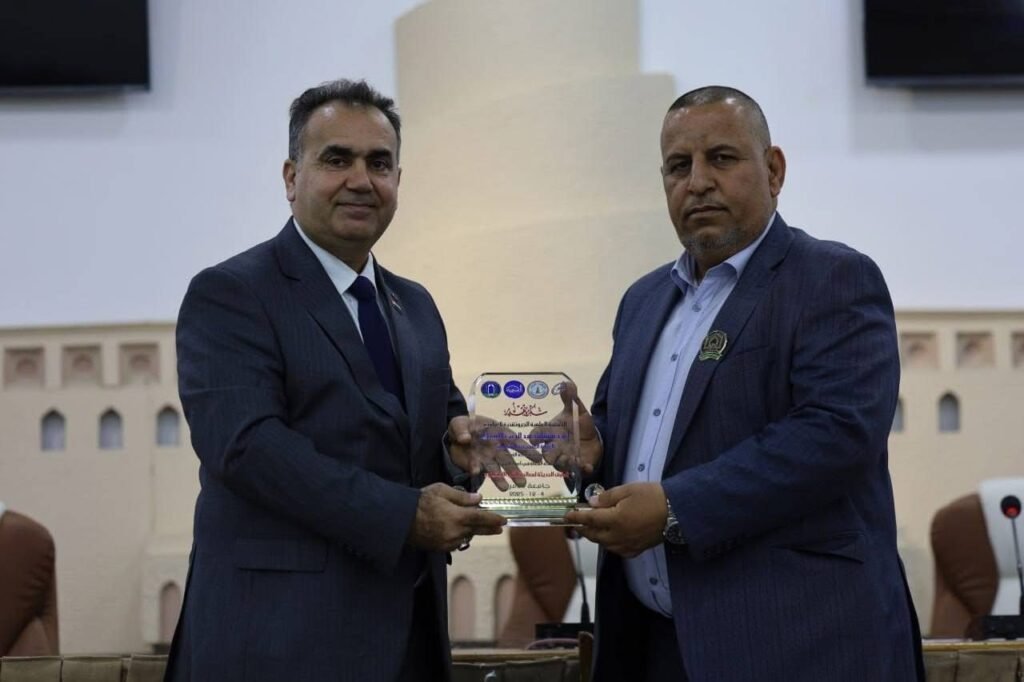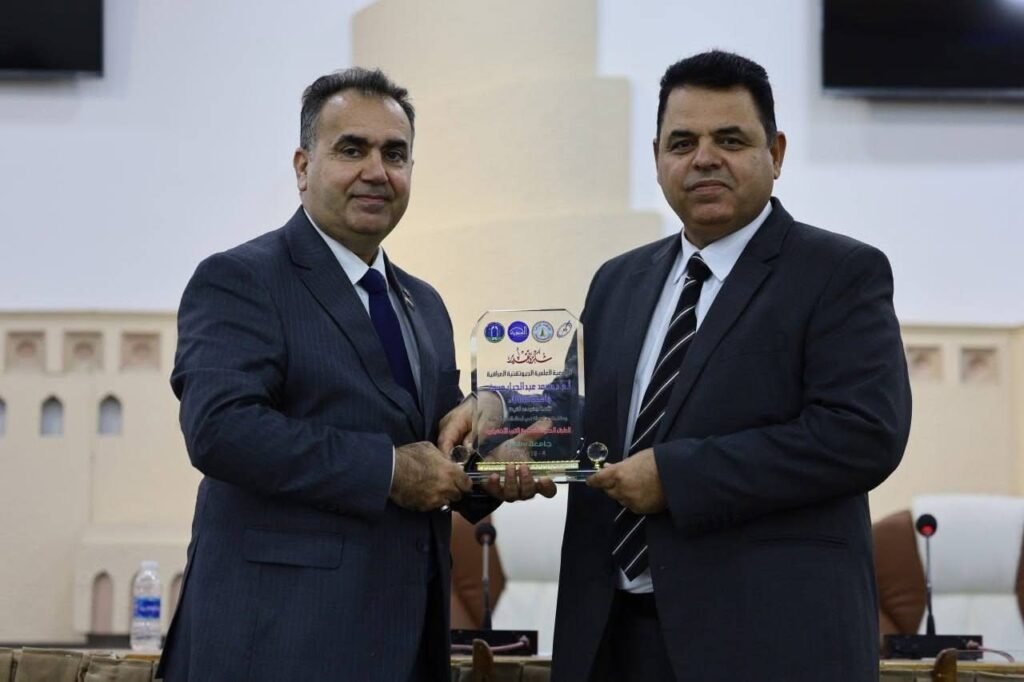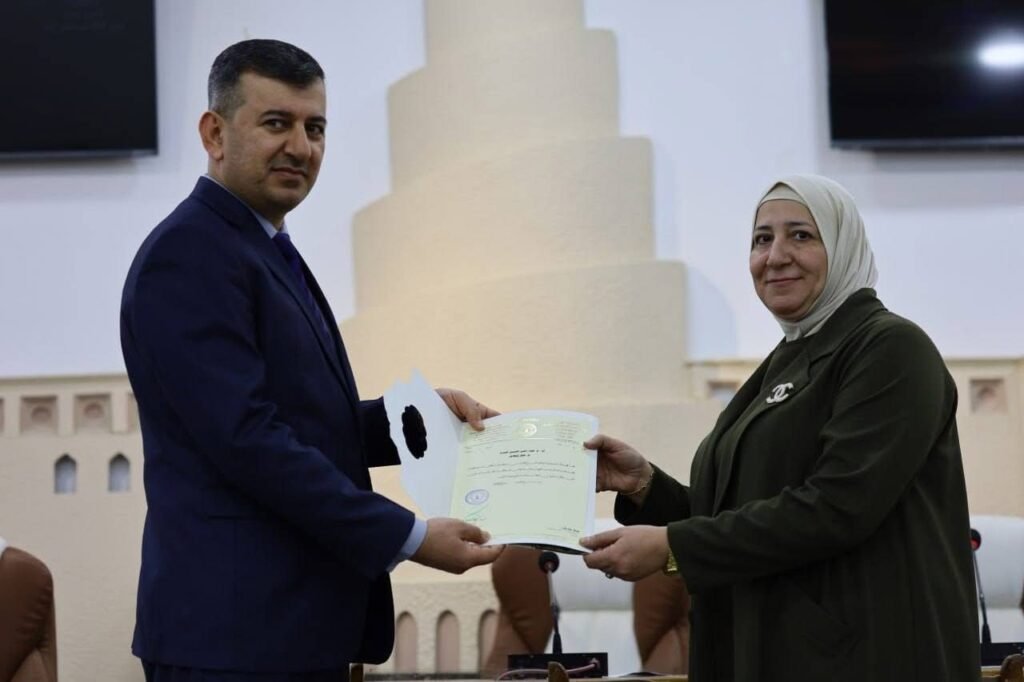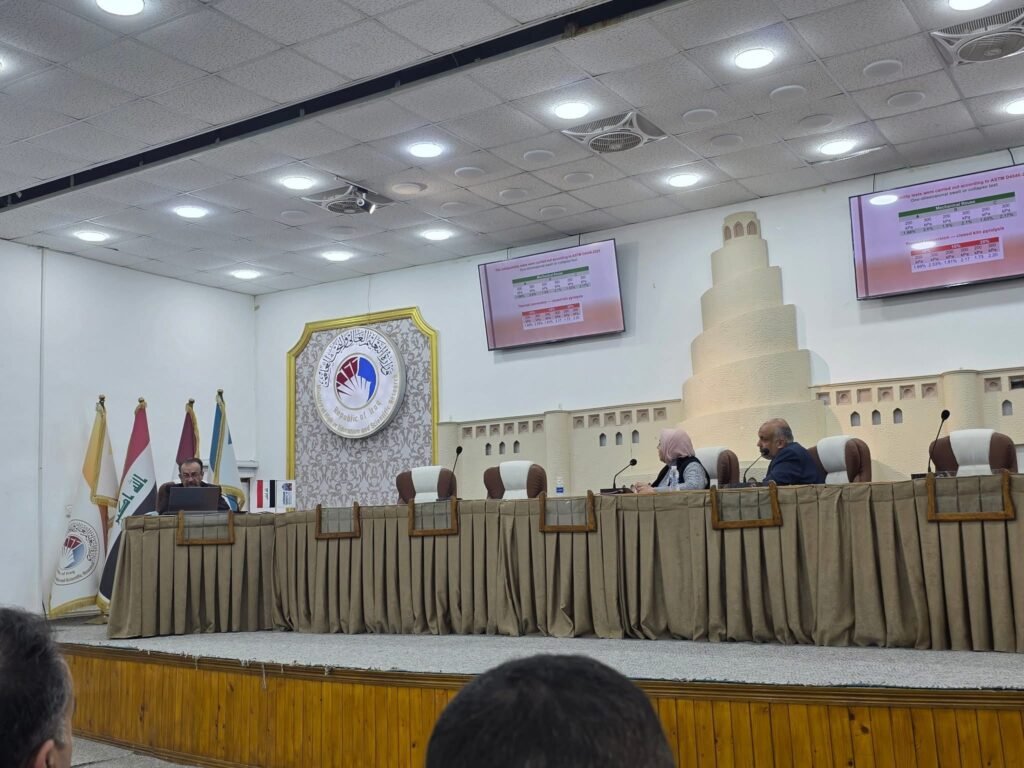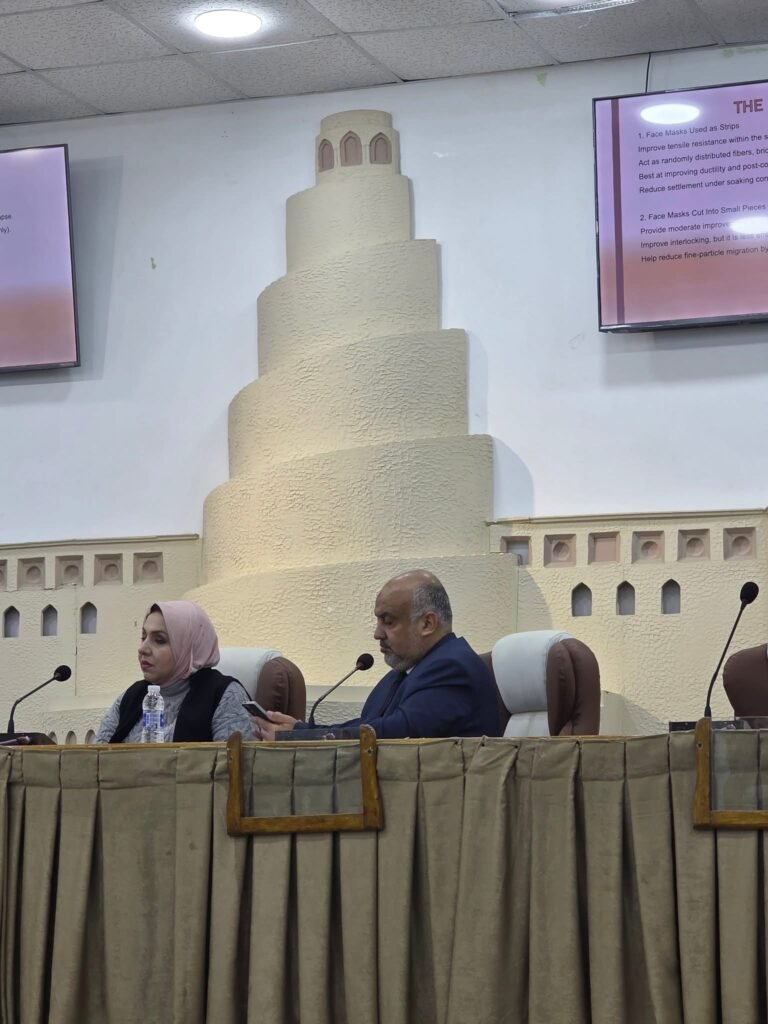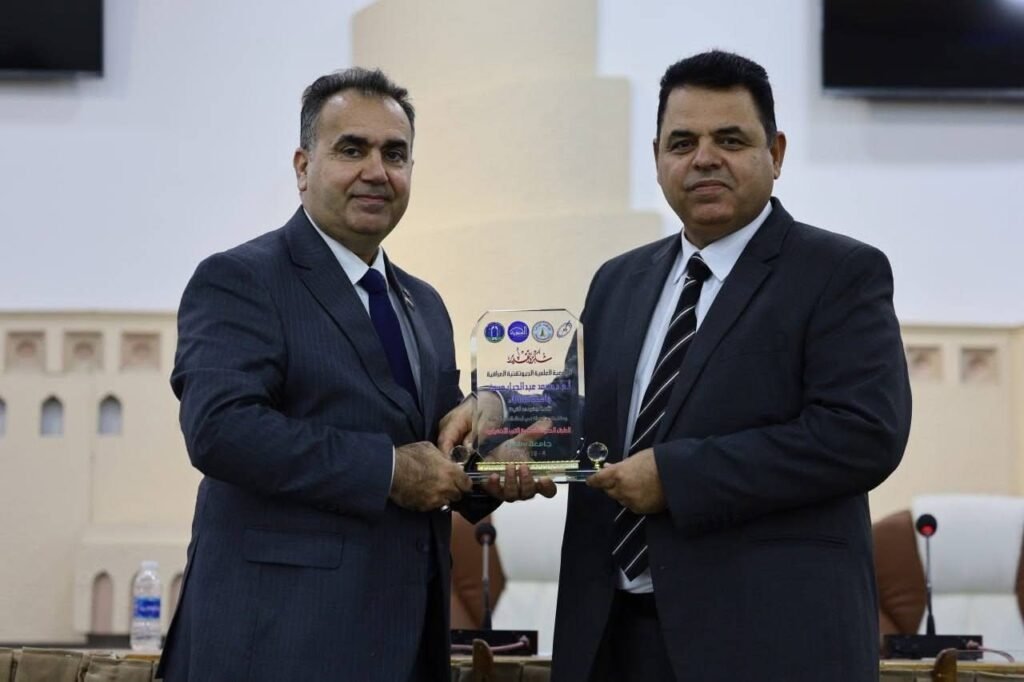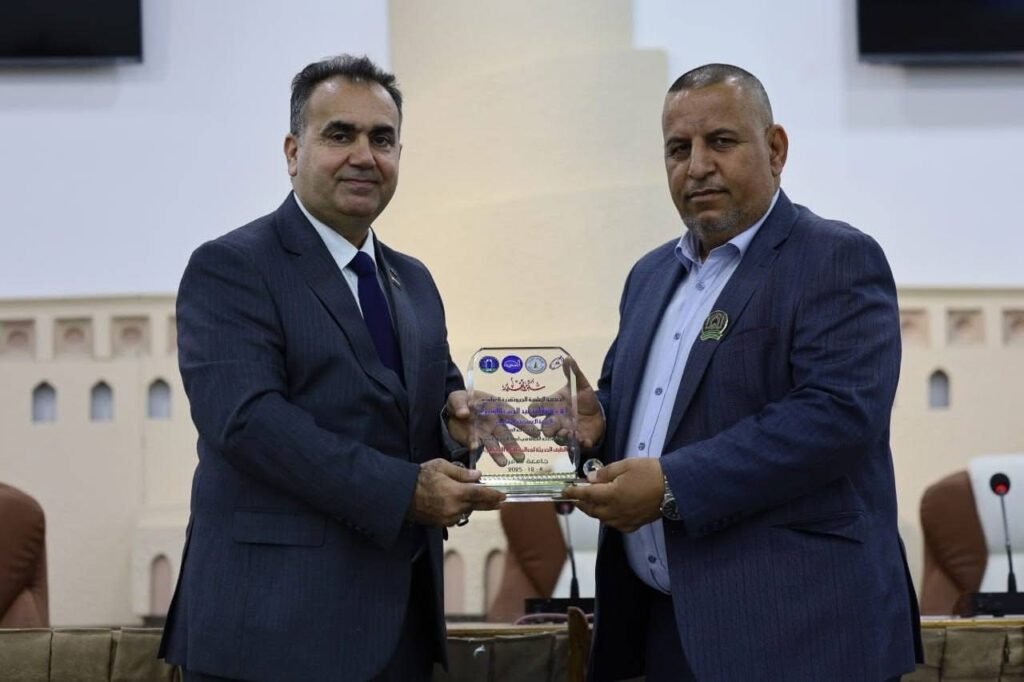

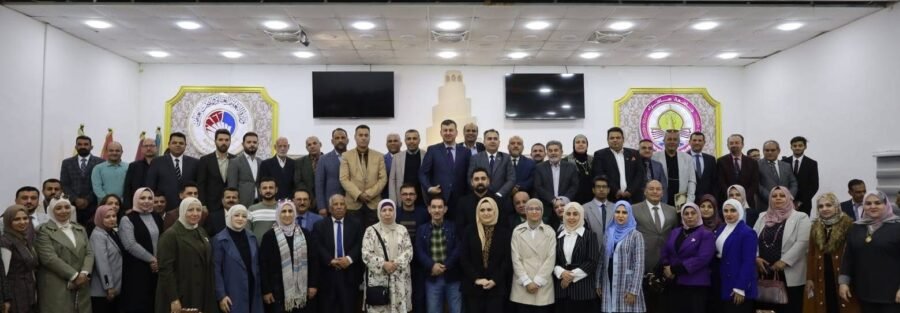
في أجواء علمية نشطة وحضور مميز لخبراء الجيوتكنيك والمهندسين والأكاديميين، نظّمت الجمعية العلمية الجيوتقنية العراقية الندوة العلمية الموسومة “الطرق الحديثة لمعالجة الترب الانهيارية” بالتعاون مع كلية الهندسة – جامعة سامراء والعتبة العسكرية المقدسة وقسم الإعمار والمشاريع في جامعة بغداد. وقد جاءت هذه الندوة استجابةً للحاجة المتزايدة إلى معالجة مشكلات الترب الانهيارية التي تُعد من أكبر التحديات الجيوتكنيكية التي تواجه مشاريع البنى التحتية في العراق.
محاور الندوة ومضامينها العلمية
استعرضت الندوة مجموعة من الأوراق البحثية المتخصصة، بلغ عددها خمس أوراق قدمها باحثون من جامعة بغداد وجامعة سامراء وجامعة تكريت وجامعة التراث، حيث تناولت:
- التعريف العلمي للترب الانهيارية، وتسليط الضوء على خصائصها الجيوتقنية وسلوكها تحت الظروف المختلفة.
- المشاكل الهندسية التي تتسبب بها هذه الترب وتأثيرها على الأساسات والمنشآت والطرق والأنفاق.
- أحدث المعالجات الهندسية مثل الحقن الكيميائي، التقنيات الحيوية (MICP and EICP)
- دراسات حالة محلية من مناطق عراقية تعاني من مشاكل الانهيارية مثل سامراء، صلاح الدين، الأنبار وديالى.
- تطبيقات عملية للتقنيات الحديثة وكيفية دمجها في مشاريع البنى التحتية مع مراعاة الظروف الجيولوجية والإمكانيات المتاحة.
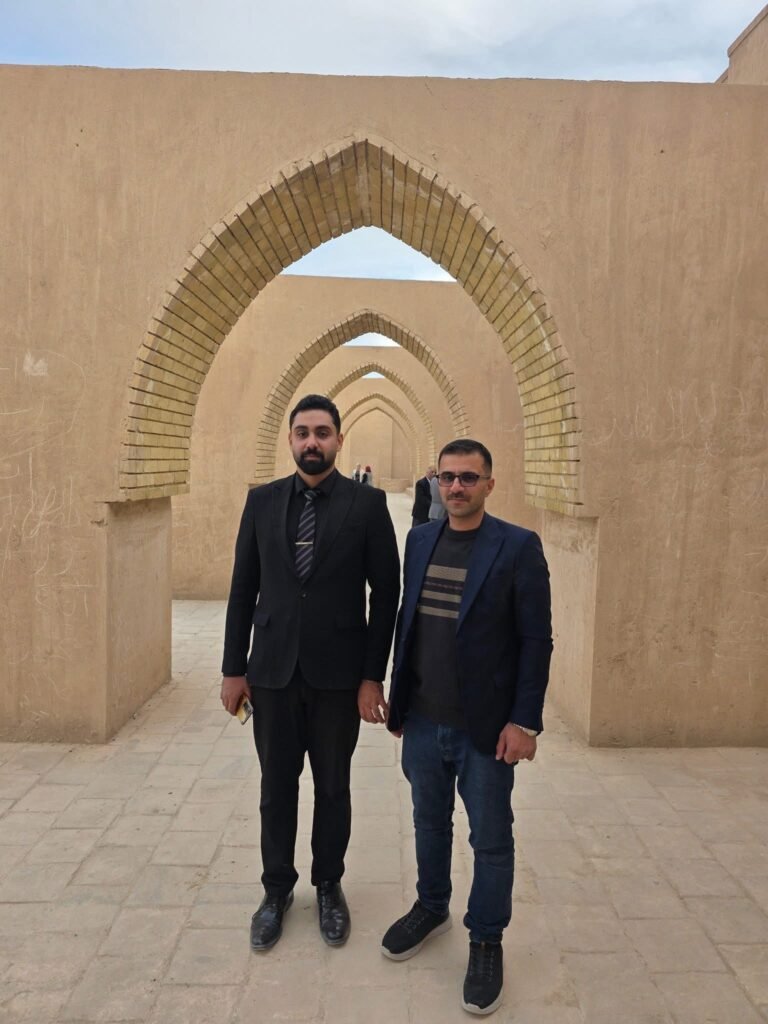
وقد اتسمت الجلسات بنقاشات علمية معمقة شارك فيها الحاضرون من أساتذة وباحثين وطلبة دراسات عليا، مما أضفى طابعاً تفاعلياً مهماً وأسهم في تبادل الخبرات بين الجامعات المشاركة. وشهدت الندوة مشاركة واسعة لنخبة من المختصين في الهندسة الجيوتقنية، فضلاً عن حضور عدد من ممثلي الدوائر الهندسية في المؤسسات الحكومية، والمهندسين العاملين في مشاريع الإعمار، بالإضافة إلى الطلبة من مختلف الجامعات العراقية، مما يعكس الاهتمام المتزايد بهذا المجال الحيوي. وعقب اختتام فعاليات الندوة، نظّم الوفد زيارة الى العتبة العسكرية المقدسة تضمنت زيارة العتبات المقدسة واللقاء مع امينها العام وكادر الامانة وكذلك تم زيارة عدد من المواقع التراثية في مدينة سامراء، بهدف الاطلاع المباشر على نوعية الترب التي شُيِّدت فوقها هذه المعالم التاريخية. وقد أتاحت الزيارة فرصة مهمة للتعرف على التحديات الجيوتقنية الخاصة التي تواجه الأبنية التراثية، وسبل المحافظة عليها باستخدام الأساليب العلمية الحديثة. أكّدت توصيات الندوة أهمية مواصلة التعاون العلمي بين الجامعات والمؤسسات البحثية العراقية لتطوير تقنيات معالجة الترب الانهيارية، نظراً لدورها الحاسم في ضمان سلامة المنشآت واستمرار مشاريع الإعمار، خاصة في المناطق التي تتميز بخصائص جيوتقنية معقدة.
مهدي كركوش/رئيس الجمعية
ماهر مراد جبر/الامين المالي
Modern Techniques for Treating Collapsible Soils
In an active scientific atmosphere and with distinguished participation from geotechnical experts, engineers, and academics, the Iraqi Scientific Geotechnical Society organized a scientific symposium titled “Modern Techniques for Treating Collapsible Soils”, in cooperation with the College of Engineering – University of Samarra, the Al-Askari Holy Shrine, and the Department of Construction and Projects at the University of Baghdad. This symposium was held in response to the growing need to address the challenges posed by collapsible soils, which represent one of the most significant geotechnical issues affecting infrastructure projects in Iraq.
Symposium Topics and Scientific Content
The symposium featured a set of specialized research papers five in total presented by researchers from the University of Baghdad, University of Samarra, University of Tikrit, and Al-Turath University. The presentations addressed the following themes:
- A scientific overview of collapsible soils, highlighting their geotechnical properties and behavior under various conditions.
- The engineering problems caused by such soils and their impacts on foundations, structures, roads, and tunnels.
- Modern geotechnical treatment techniques, including chemical grouting, and biotechnical improvement methods such as MICP and EICP.
- Local case studies from Iraqi regions affected by collapsible soils, including Samarra, Salah Al-Din, Al-Anbar, and Diyala.
- Practical applications of advanced treatment technologies and methods for integrating them into infrastructure projects in alignment with geological conditions and available resources.
The sessions were marked by rich scientific discussions involving professors, researchers, and graduate students, adding a highly interactive dimension to the event and enhancing the exchange of knowledge among participating universities. The symposium also witnessed broad participation from specialists in geotechnical engineering, along with representatives from governmental engineering departments, engineers working in reconstruction projects, and students from various Iraqi universities reflecting the growing interest in this vital field. Following the conclusion of the symposium’s activities, the delegation conducted a visit to the Al-Askari Holy Shrine, which included meetings with its Secretary-General and members of the administrative staff. The visit also included several heritage sites in the city of Samarra to directly examine the nature of the soils upon which these historic landmarks were constructed. This field tour provided an important opportunity to understand the unique geotechnical challenges faced by heritage structures and to explore modern scientific approaches for their preservation.
The symposium’s recommendations emphasized the importance of strengthening scientific collaboration between Iraqi universities and research institutions to advance modern techniques for treating collapsible soils, given their crucial role in ensuring the safety of structures and supporting the progress of reconstruction projects, especially in areas characterized by complex geotechnical conditions.
Mahdi Karkush/President of the Society
Maher Murad/Financial Secretary (Treasurer)